
Smart Contracts: The Digital Handshake of the Future
Jan 25, 2026 21:06
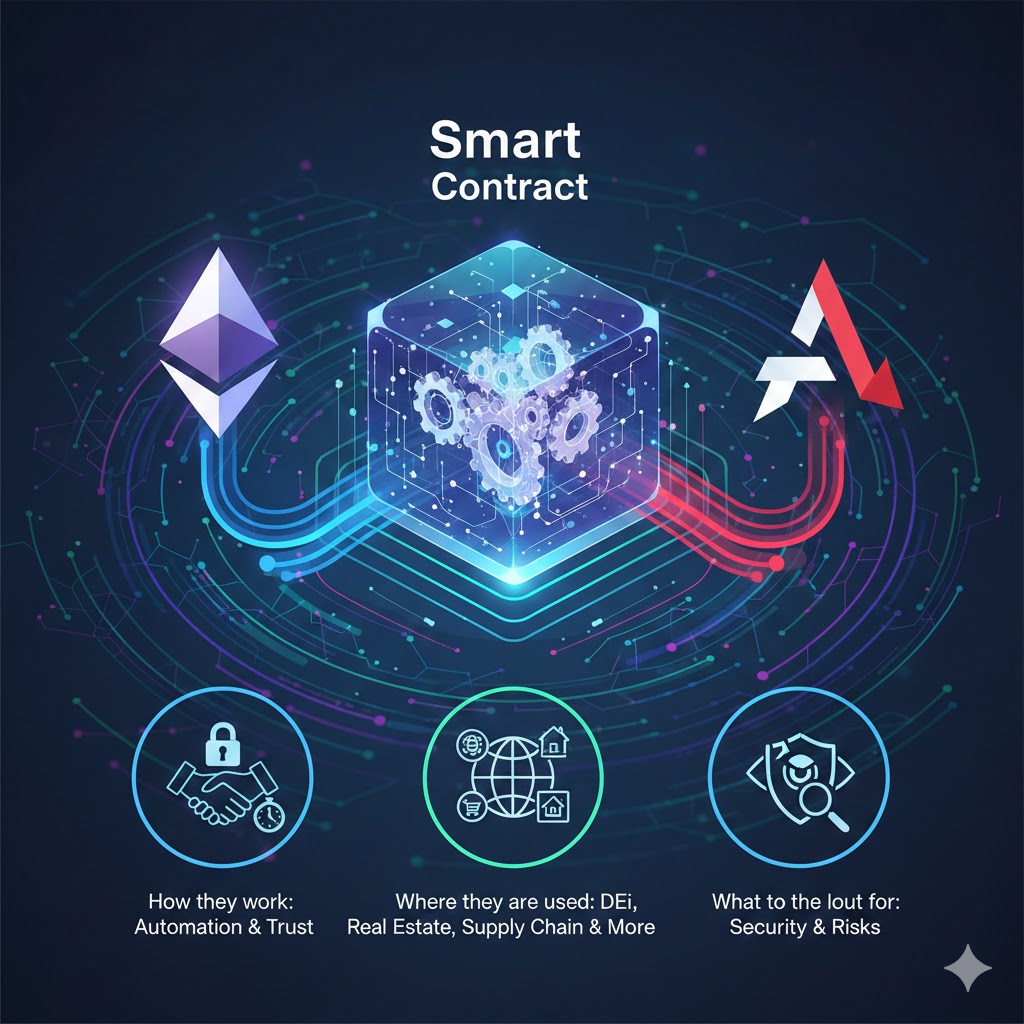
At its core, a smart contract is a self-executing set of instructions written in code. Think of it as a digital agreement that automatically triggers specific actions when certain conditions are met. Developers build these into decentralized applications (dApps) to handle tasks that traditionally required a human middleman.
Because they live on the blockchain, these contracts operate autonomously. This means once the code is deployed, it executes on its own without needing a central authority to "click a button" or approve the transaction.
How They Work in the Real WorldTo see the power of smart contracts, we only need to look at two common scenarios in the crypto ecosystem:
- Token Swaps: On platforms like Uniswap, if you want to trade ETH for USDT, a smart contract handles the heavy lifting. It checks the current exchange rate and executes the trade instantly. If the price fluctuates too wildly during the process, the contract can automatically cancel the trade and return your funds to protect you from losses.
- NFT Marketplaces: When you buy a digital collectible, a smart contract ensures the swap is fair. It simultaneously takes the payment from the buyer, delivers the NFT, and sends the funds to the seller. No escrow agent is needed.
Smart contracts are popular because they offer three specific "superpowers" that traditional legal contracts lack:
| Feature | Why It Matters |
|---|---|
| Transparency | The code is open for anyone to inspect. You don't have to "guess" how a contract works; you can see the logic for yourself. |
| Autonomy | They run 24/7 without the need for banks, lawyers, or administrators. |
| Immutability | Once a contract is on the blockchain, it cannot be changed. This guarantees that the rules won't be altered halfway through a transaction. |
While the technology is robust, it is not immune to human error. Because smart contracts are written by people, they can sometimes contain "bugs" or intentional backdoors. Bad actors can create malicious contracts designed to drain wallets.
The takeaway: Always verify the reputation of the platform you are using. In the decentralized world, the code is law, so it pays to make sure that law is on your side before you sign off on a transaction.
